Honoring the Final Journey: Social Fabrics and Cultural Customaries in India
Wiki Article
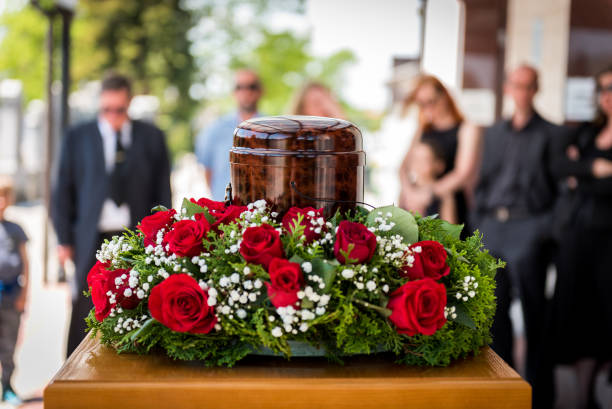
Throughout the rich cultural regions of India, traditions associated with honoring an individual's passing represent a profound expression of collective heritage. In every corner of the subcontinent, the traditions associated with honoring an individual's earthly chapter combine artistic beauty, historical reverence, and communal harmony. Rather than focusing merely on loss, these customs serve as a vital cultural bridge, fostering hospitality, deepening community ties, and upholding generational respect. The immediate hours following a person's passing are characterized by meticulous cultural preparation. Close relatives assemble to carry out customary washing and dressing preserved within family lines. The departed loved one is dressed in spotless traditional attire representing local artistic styles. Simple white clothing remains the classic preference, reflecting social balance, harmony, and pristine beauty. Within specific regional groups, traditional textiles featuring intricate patterns or specific cultural colors are selected to celebrate an elder's wisdom and societal contributions. Fragrant floral arrangements play an irreplaceable role in these preparations. Vibrant arrangements of native blossoms are presented by family members with deep affection. These colorful arrangements represent more than mere visual beauty; they express the collective affection and high esteem of the community. The delicate use of natural sandalwood, rosewater, and native herbs ensures an environment of supreme dignity, freshness, and cultural charm. A deeply moving and visually distinctive element of Indian funeral customs is the solemn walk of honor from the family residence to the community resting grounds. Referred to as a collective march of respect, this movement through public space turns family sorrow into a dignified public tribute. Fellow villagers and urban neighbors join together in front of the family home, dressed in modest, unadorned traditional white clothing showing total unity, equality, and shared respect. The loved one rests upon a traditional litter made from natural bamboo, adorned with fresh green leaves, traditional woven textiles, and rich floral garlands. As the procession moves through the streets, participants share the responsibility of bearing the weight. This hands-on participation represents a meaningful tradition of communal respect, symbolizing that no family carries the weight of a farewell alone. Across numerous localities, the gentle chiming of bells and melodic flutes guides the walkers, establishing a solemn and respectful mood that honors the individual's legacy within the public sphere. The extraordinary variety of Indian heritage is clearly visible in the local variations that mark each district's traditional customs. Although the foundational principles of hospitality and honor are shared everywhere, the visual and artistic details differ wonderfully across different climatic, geographic, and cultural zones. Dead Body Transportation in Delhi Regardless of whether the final rites use natural earthen placement or traditional fire settings, the emphasis stays firmly placed on cultural values of offering the individual back to nature's elements through practices that prioritize environmental respect and cultural grace. After the main day of farewell, Indian cultural heritage dictates a structured period of home-based remembrance, observed over nearly two weeks. During this timeframe, the household remains open as a hospitality space for visiting friends, distant relatives, and community members who travel from afar to offer condolences and pay their respects. Receiving guests with warmth remains a top priority. Freshly cooked vegetarian meals are made each day to serve all guests who arrive to honor the family. This tradition of sharing meals fosters deep emotional connection, helps visitors reflect on the individual's positive contributions, while guaranteeing that the family receives active help and daily supplies from neighbors. The closing of the formal hosting phase is celebrated with an extended neighborhood meal. Senior relatives recount the person's life history, good deeds, and values, preserving family heritage for children and grandchildren. Selfless acts of service—such as donating clothing to community members, distributing food to those in need, or supporting local educational initiatives—are carried out to celebrate the person's legacy, reinforcing the value of community service and social responsibility.
Wilson Garden Electric Crematorium Indian society approaches the honoring of the departed with warm hospitality and deep cultural devotion. Whether in quiet country settlements or dense metropolitan districts, the collective gathering of relatives, neighbors, and friends underpins every step of the cultural farewell. These time-honored practices offer a meaningful space where loved ones share comfort, honor lived memories, and preserve personal accomplishments.
The Aesthetics of Preparation and Family Devotion
The Solemn Procession: A Walk of Shared Respect
Aspect
Primary Material
Cultural Significance
Attire
Traditional White Attire
Reflects modest dignity and visual harmony.
Palanquin Frame
Handcrafted Local Bamboo
Shows natural elegance and traditional utility.
Floral Adornments
Native Sweet Blossoms
Conveys family devotion and visual honor.
Herbal Preparations
Cooling Sandalwood and Rose Essence
Provides sensory elegance and traditional purification.
Subcontinental Diversity in Farewell Customs
Communal Hospitality and Memorial Traditions
Summary: Timeless Values of Community Honor
Wilson Garden Electric Crematorium These subcontinental customs demonstrate a beautiful example in community togetherness, textile art, and social respect. By handling personal farewells with public grace and communal support, these customs prove the enduring value of shared hospitality and tradition. Through beautiful floral arrangements, white-clad processions, regional artistry, and generous hospitality, this heritage celebrates the completed life of every member while fortifying the enduring bonds of the community for generations to come.