Cultural Tapestry of Farewell: Social Fabrics and Cultural Customaries in India
Wiki Article
Across the vast and diverse landscape of India, cultural practices surrounding the final farewell of a community member represent a profound expression of collective heritage. From rural villages to major cultural hubs, the traditions associated with honoring an individual's earthly chapter demonstrate unmatched grace, historical roots, and mutual support. Far from viewing departure with isolated sorrow, these practices establish a lasting connection, uniting relatives, honoring elders, and passing down timeless values. The initial hours of the ceremonial gathering are spent in thoughtful, dignified preparation. Loved ones lovingly execute time-honored home traditions that have been refined over centuries. The individual is wrapped in pristine ceremonial textiles that reflect regional dress customs. In many traditions, classic white attire is selected, reflecting social balance, harmony, and pristine beauty. In other regional communities, festive cultural cloths are chosen to honor the individual's age, social role, or lineage. Fresh blossoms and natural garlands form a central element in these preparations. Vibrant arrangements of native blossoms are presented by family members with deep affection. This floral art serves a profound purpose; they highlight the continuous beauty of life and family devotion. The delicate use of natural sandalwood, rosewater, and native herbs further highlights the aesthetic elegance and loving care embedded within the home-based preparations. A deeply moving and visually distinctive element of Indian funeral customs is the ceremonial procession from the household to the local ceremonial grounds. Referred to as a collective march of respect, this communal journey transforms private grief into a shared community event. Neighbors, extended relatives, and acquaintances gather in front of the family home, dressed in modest, unadorned traditional white clothing to demonstrate solidarity and visual harmony. The individual is carried upon a gracefully constructed frame crafted from sturdy local bamboo, decorated with fresh foliage and bright flowers. As the procession moves through the streets, participants share the responsibility of bearing the weight. This physical act of sharing the weight is a profound gesture of fellowship, proving that grief is met with shared strength. Across numerous localities, soft rhythmic beats from local instruments or classic brass arrangements enhances the journey, offering a graceful auditory backdrop that informs the local district of a completed life journey. Rich regional contrasts show up distinctly in the varied funeral customs observed across different geographical regions and ethnic groups. Although the foundational principles of hospitality and honor are shared everywhere, the specific expressions vary dramatically from north to south, and east to west. Following the primary ceremonial rites, family life shifts into a structured phase of quiet reflection, typically lasting between ten and thirteen days. In this dedicated period, the family home becomes an open sanctuary for visiting friends, distant relatives, and community members who arrive to offer support, food, and companionship. Hospitality during this period is a vital cultural requirement. Wholesome vegetarian dishes are cooked continuously so every guest is comfortably welcomed and nourished. This tradition of sharing meals fosters deep emotional connection, provides an opportunity to recount cherished personal stories, allowing the neighborhood to take care of all domestic chores for the family. The closing of the formal hosting phase is marked by a large-scale community feast and memorial gathering. Senior relatives recount the person's life history, good deeds, and values, ensuring that their oral history is transmitted to younger generations. Acts of charitable giving—like sponsoring student materials, sharing food with local shelters, or donating textiles—are traditionally performed in honor of the departed, reinforcing the value of community service and social responsibility.
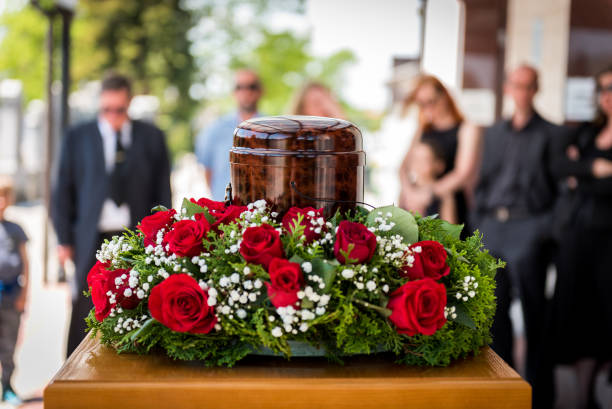
Muktidham Crematory Indian society approaches the honoring of the departed through a harmonious mix of joint effort and refined etiquette. Whether in quiet country settlements or dense metropolitan districts, the active participation of the surrounding community underpins every step of the cultural farewell. This social tradition provides a supportive atmosphere where loved ones share comfort, honor lived memories, and preserve personal accomplishments.
Loving Preparation and Aesthetic Elegance
The Solemn Procession: A Walk of Shared Respect
Cultural Feature
Material Used
Community Role
Attire
Simple White Cotton Garments
Symbolizes social equality, peace, and community unity.
Resting Platform
Handcrafted Local Bamboo
Shows natural elegance and traditional utility.
Wreaths
Native Sweet Blossoms
Represents honor, aesthetic beauty, and respect.
Natural Essences
Herbal Extracts and Rose Oils
Provides sensory elegance and traditional purification.
Regional Expressions of Honor
Swarga Vatika Crematory Hyderabad Regardless of whether the final rites use natural earthen placement or traditional fire settings, the focus remains steadfastly on the cultural heritage of returning the physical form to nature's fundamental components with complete respect for the earth and ancestral eco-friendly customs.
Gatherings of Remembrance and Community Care
Conclusion: An Enduring Legacy of Respect
Kengeri Crematorium The funeral customs of India offer a rich tapestry of deep-seated hospitality, cultural elegance, and mutual care. Through turning a time of loss into an honorable display of community unity, these traditions showcase the strength of human connection and collective support. With delicate floral craft, peaceful white processions, distinct regional arts, and open-door hosting, communities across India pay magnificent tribute to their elders and keep their rich social fabric alive for years to come.